

It has been a while since I have critically appraised. Life without medical journals is sort of nice, but I guess it just isn’t me, so I am back and nerdier than ever. That means there are some strange selections this time around, but there are bound to be at […]
ebm reviews EM literature (critical appraisals)
233 posts

Might elderly patients, with a higher risk of undiagnosed hypertension and higher rates of vascular disease, require higher blood pressure targets in sepsis? Or might this just be yet another example of medicine doing harm in the quest of better numbers on a monitor?
I took a few months off. (Well, not so much off, but as stuck in other EBM rabbit holes.) I am sure some were happy for the empty inbox, but if you enjoy nerdy conversation about subpar medical research, this is your luck day.
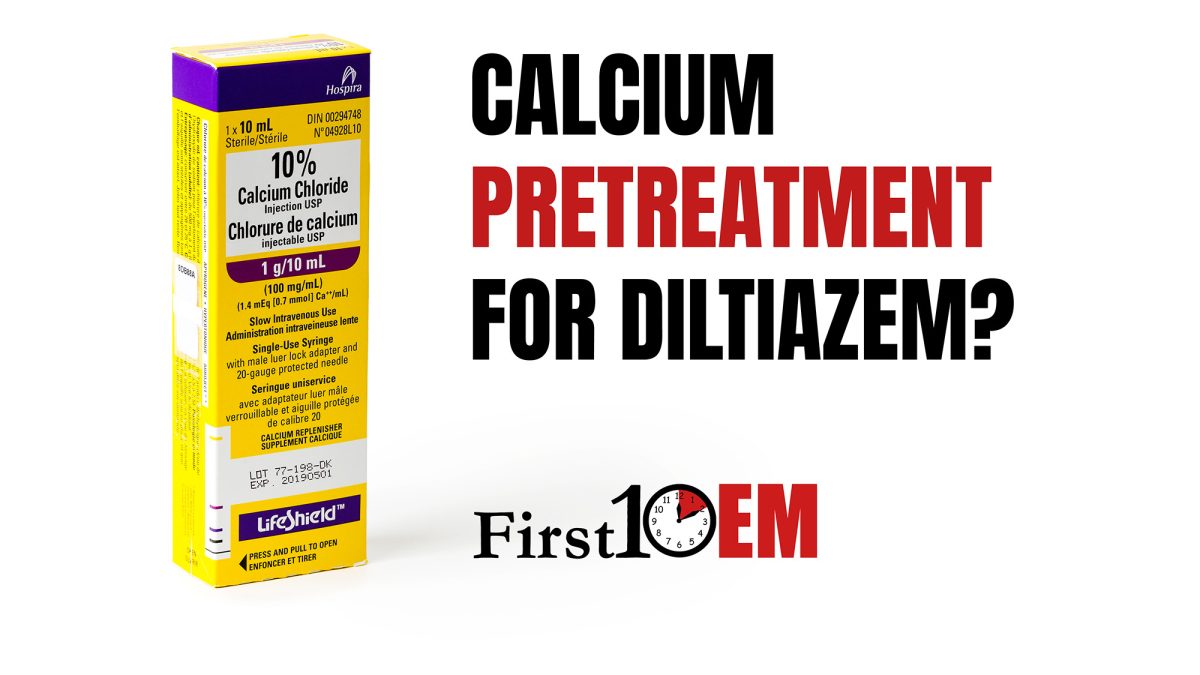
I have covered calcium channel blockers for atrial fibrillation a number of times. If you are pursuing a rate control approach, calcium channel blockers probably result in more rapid control. Thus, if you are trying to send these patients home, they might be a good choice. However, for long term […]

The decision between mechanical thrombectomy and catheter directed thrombolysis for pulmonary embolism is not one that most emergency physicians are making. Most (like me) probably don’t even have access to such therapies, which might be a good thing, as both therapies remain completely unproven. However, I thought I would share […]
Do you change your practice when new evidence is published? Will these articles change your practice? Will you read them? Does anyone read them? I don’t know, but here is another month of my reading summarized. For the regular readers, you will have noticed I have taken a few weeks […]
Another month, another set of articles. Perhaps some are useful. Perhaps some will guide your practice. At least one should completely blow your mind.

Antibiotic resistance is an existential problem. Optimizing sepsis care, including the appropriate length of antibiotic therapy, is an important goal. So should we be willing to allow an increase in mortality to reduce total antibiotic use, as the ADAPT-Sepsis non-inferiority design seems to imply?

Despite being widely talked about in glowing terms, the original WOMAN trial was clearly negative, with no benefit in their primary outcome, and no change in all cause mortality, and therefore no hint of benefit. (There is a lot of confusion about what disease specific mortality means when this paper […]